
A lot of websites and systems were built fast in 2020 and 2021, when everyone had to move online out of need. Many weren't ready, and some now slow their organizations down. They're hard to update, costly to keep running, and built from concepts that no longer fit. Older systems have the same problems, compounded by time.
“Our system still runs, but nobody can safely change it.”
If your organization depends on it and nobody wants to touch it, it's on this list.
Four steps, in this order, so the work your system supports keeps moving.

If a system is failing, we make it dependable before replacing it, so the work it supports can keep moving.

We change one part at a time while the rest keeps running. This helps minimize downtime when a longer rebuild is involved.

Changes are checked against cloned and live data, along with related workflows, to catch bugs before they interrupt your staff.

After launch, we can stay on to keep the system updated, so it doesn't fall behind again. This reduces costs over time.
The same three things on every build, whoever maintains it next.
Ones other professionals already understand. No surprises, ever.
Plugins that complement the build, not prop it up. We program core features.
Built to industry standards and written down. We keep a full project history.
Nobody inherits a mess.
If we're ever unavailable, any competent firm can pick up where we left off.
Three organizations whose systems had stopped keeping up with them.
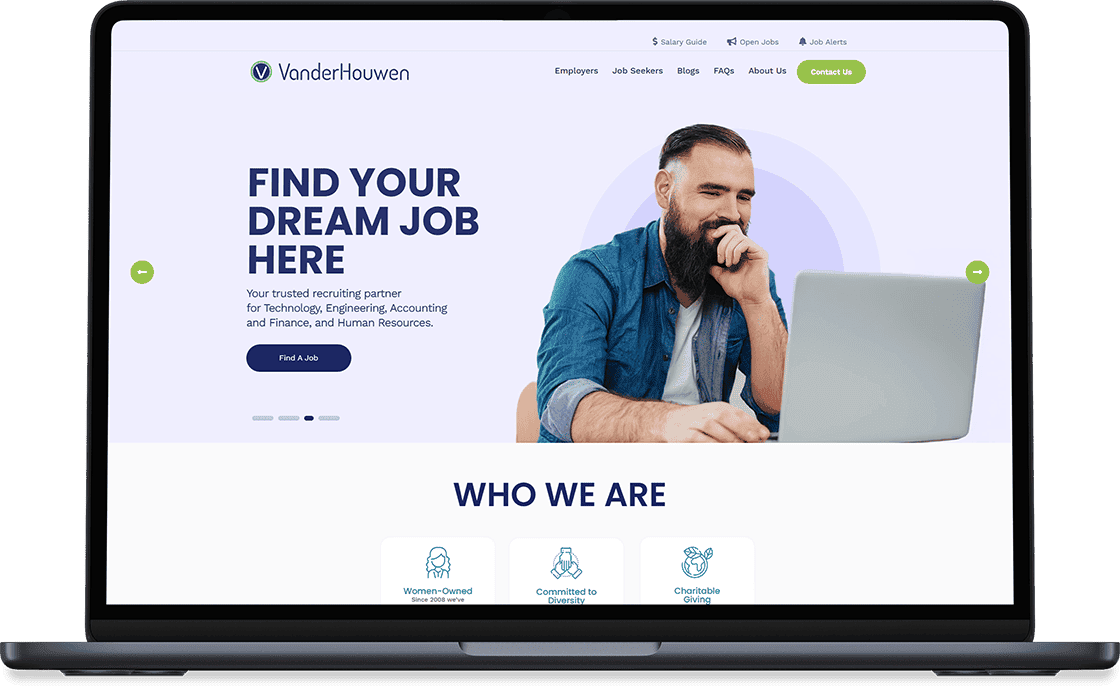
The firm's website was failing, and it was also the candidate pipeline. We stabilized it first, then rebuilt it and replaced a third-party alerting service whose cost was growing with the business.
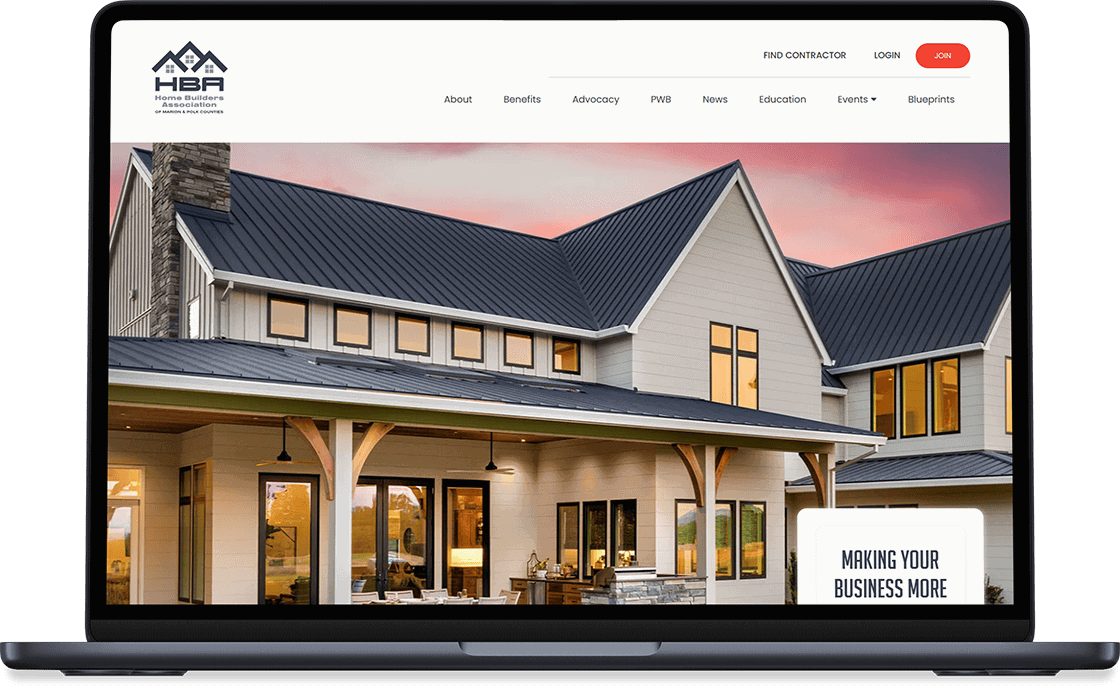
We integrated an association's membership platform into its own website, so its events and members appeared to be part of a unified system.
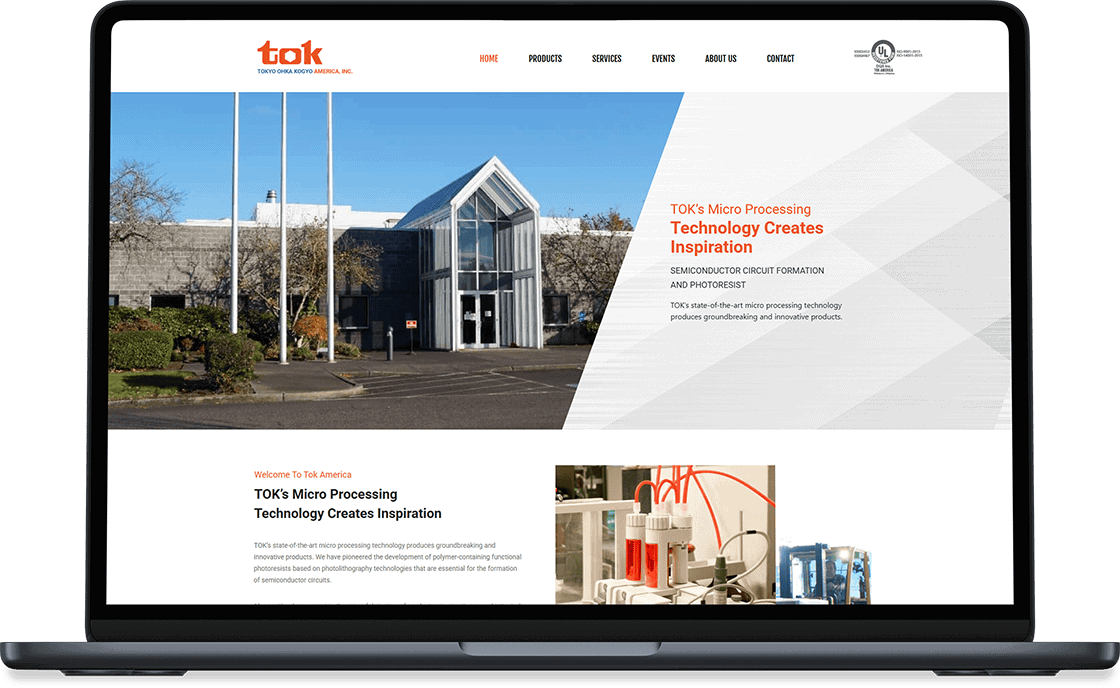
We replaced a manufacturer's ColdFusion sales site with a custom build its own IT staff could keep current, under the parent company's content rules. We also took on its hosting, firewall, and site updates.
Tell us what it does today and where it falls short.

© 2017 to 2026 IronGlove Studio, LLC. IronGlove Studio® is a registered trademark of IronGlove Studio, LLC.